
‘Euphoria’ Has Left High School Behind, And So Have Its Sets
Interiors
TSS Creative
François Audouy
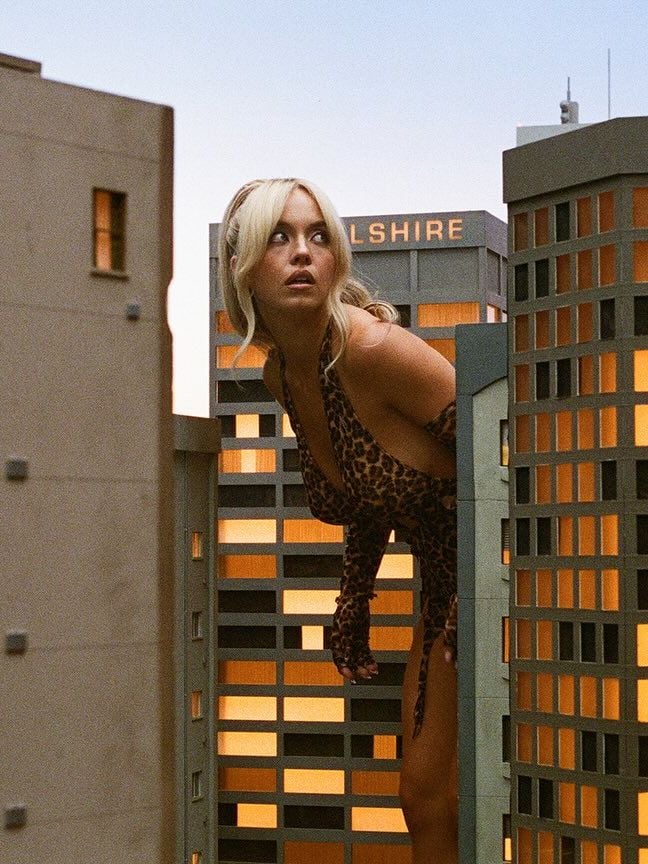
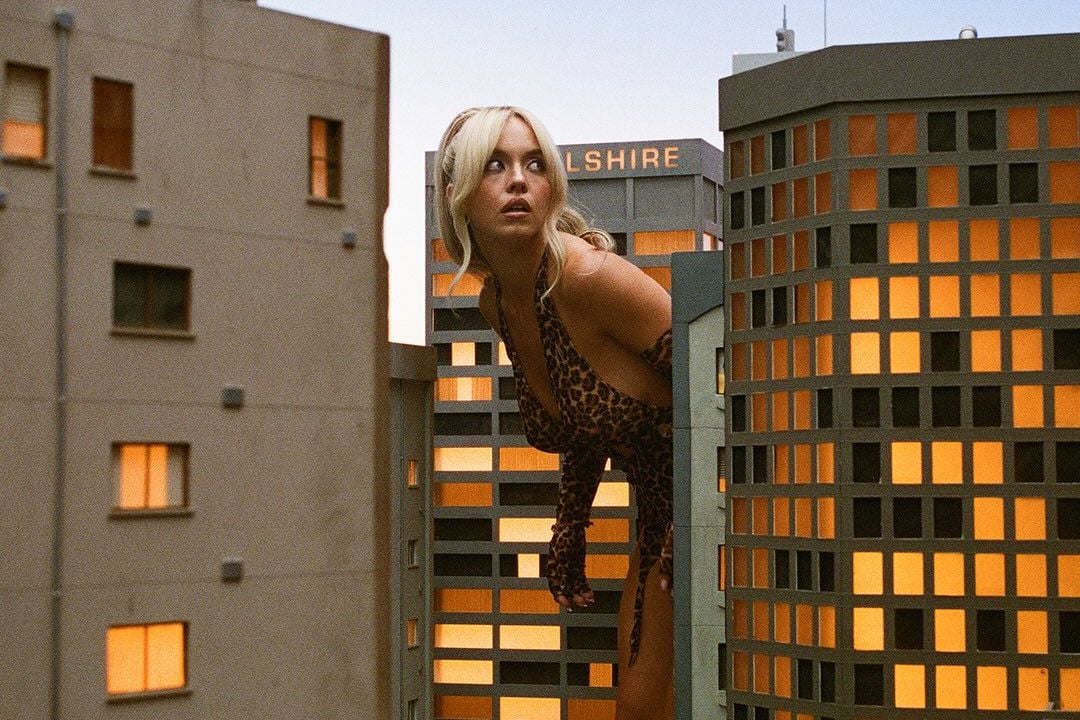
Cassie Howard has never, ever been bigger in episode five of ‘Euphoria,’ and neither have the sets, thanks to the show's new production designer for season three, François Audouy.
In "Euphoria" season three, even the content warnings are baked into the set design. Outside of The Silver Slipper strip club, the series' newest epicenter for sex, drugs, and just about every other flavor of adult shenanigan imaginable, a neon sign reading “fully nude, always lewd” foreshadows the campy chaos awaiting viewers inside. Closer in aesthetic to a Martin Scorsese set than anything from the suburban classrooms and chili cookoffs of seasons past, production designer François Audouy brought a cinematic sensibility to the production design of the show’s third—and rumored to be final—season.
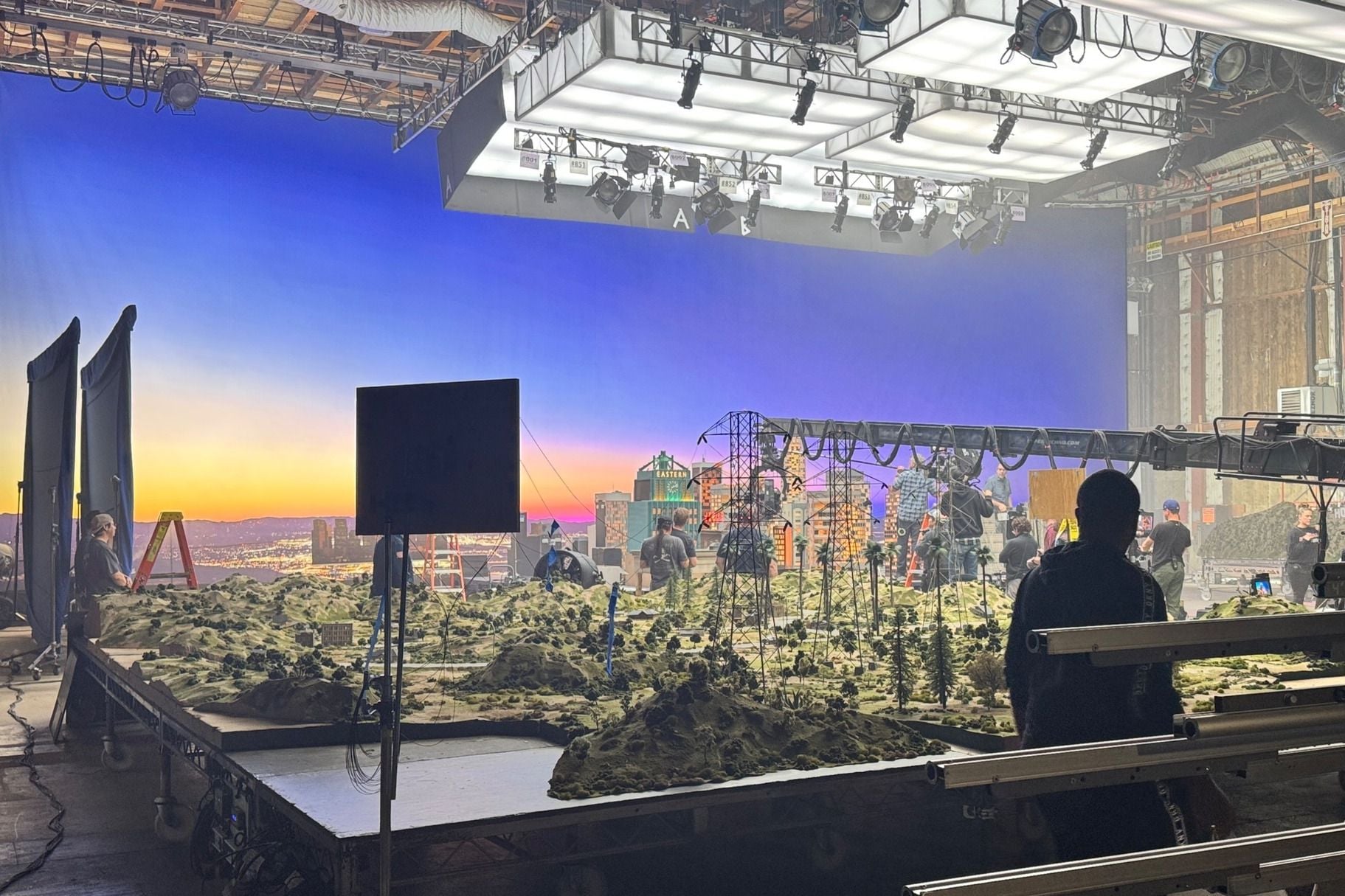
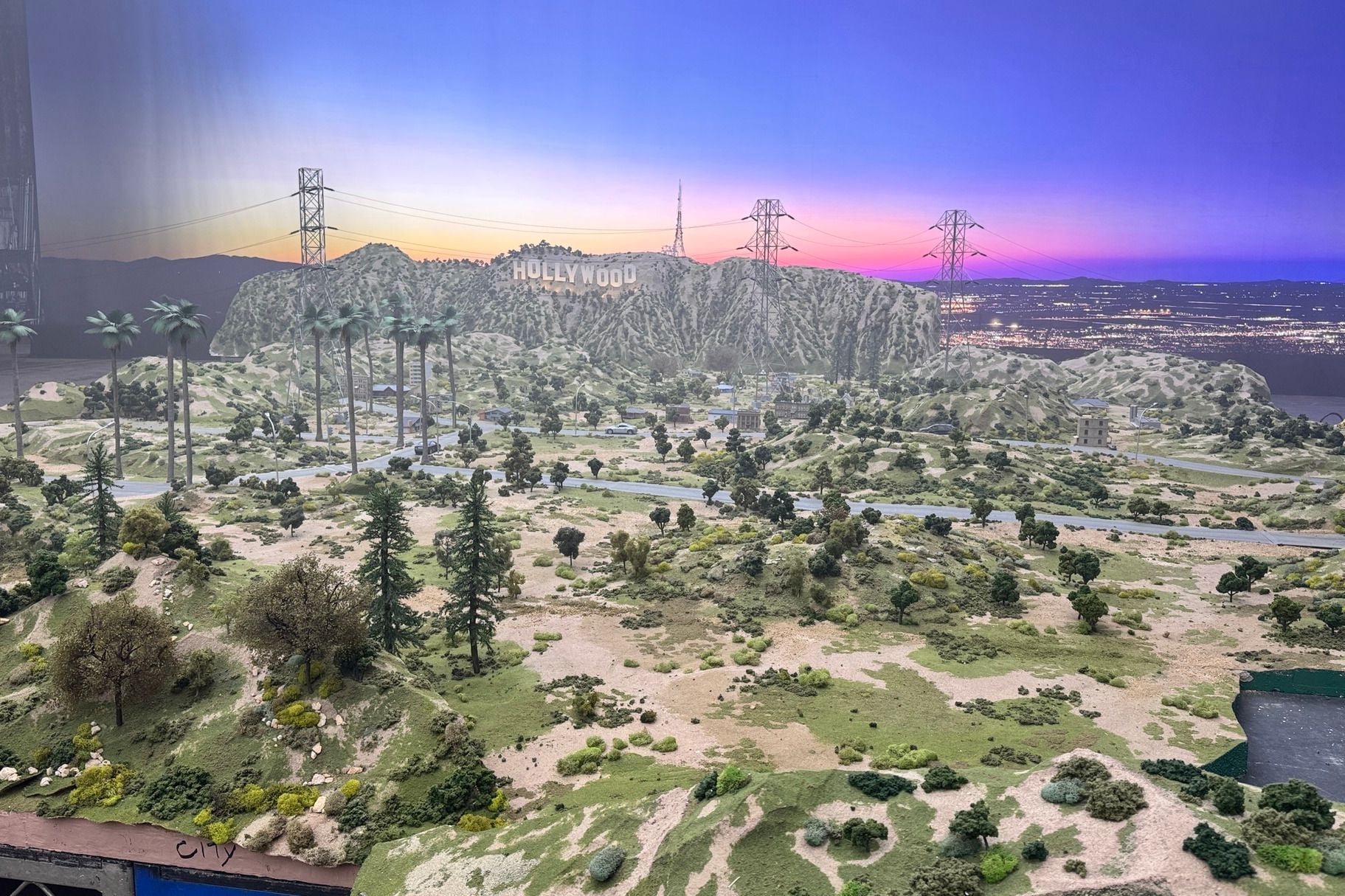
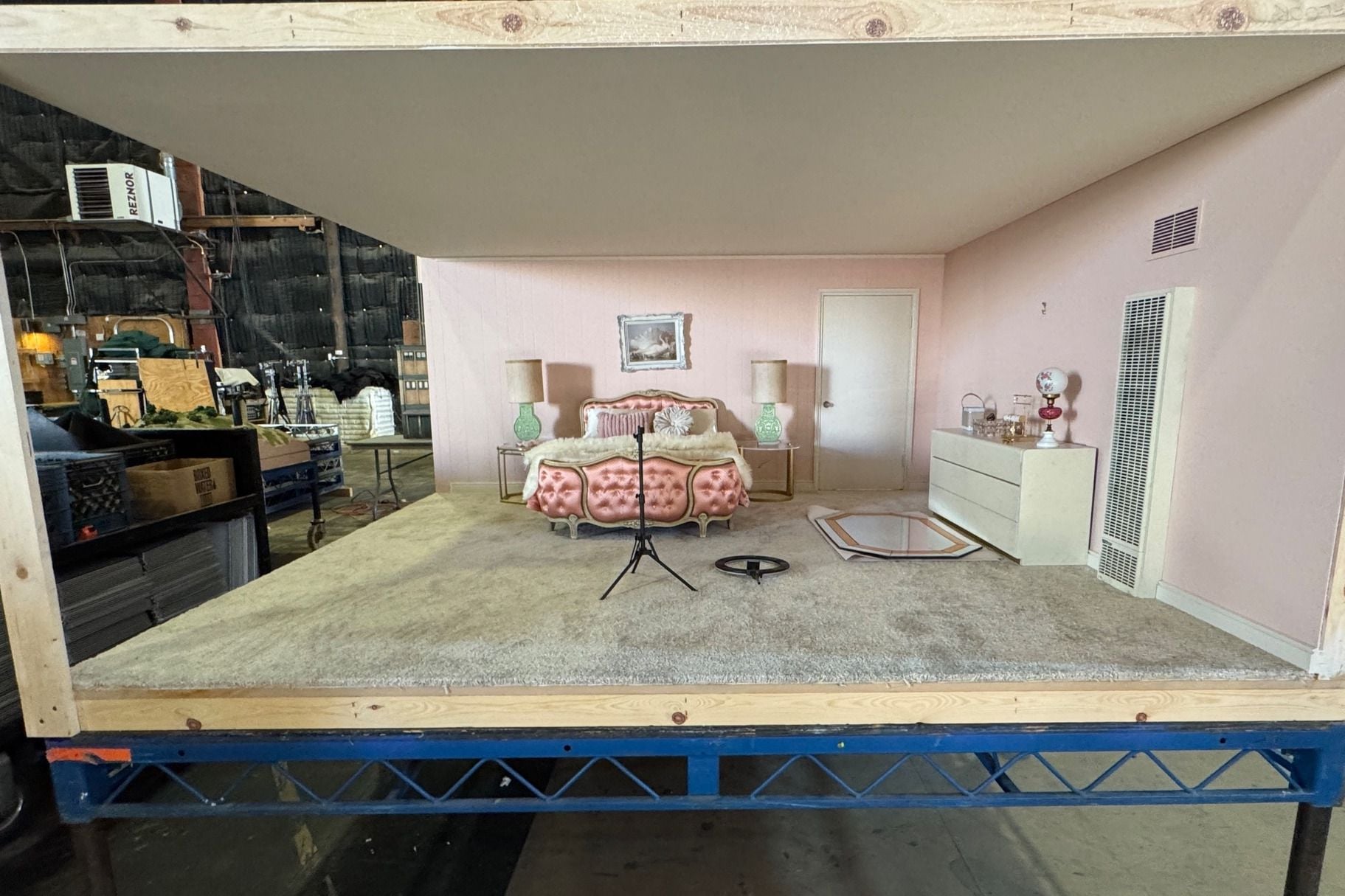
The high school students have grown up, and so have their living spaces: Jules (Hunter Schafer) occupies a New York penthouse, Nate (Jacob Elordi) and Cassie (Sydney Sweeney) share a kitschy fixer-upper mansion, and Rue (Zendaya) couch surfs across her friends’ dingy Los Angeles apartments. Episode five showcases Audouy’s biggest production feat of the series so far: a set of four moving Los Angeles “bigatures,” comprising an entire soundstage, that created the illusion of a 50-foot Cassie stampeding across Hollywood with Downtown LA in the background—both a metaphor for her meteoric rise as an adult content creator and a nod to the giantess kink of one of her OnlyFans subscribers.


Sydney Sweeney in "Euphoria" season three.
HBO

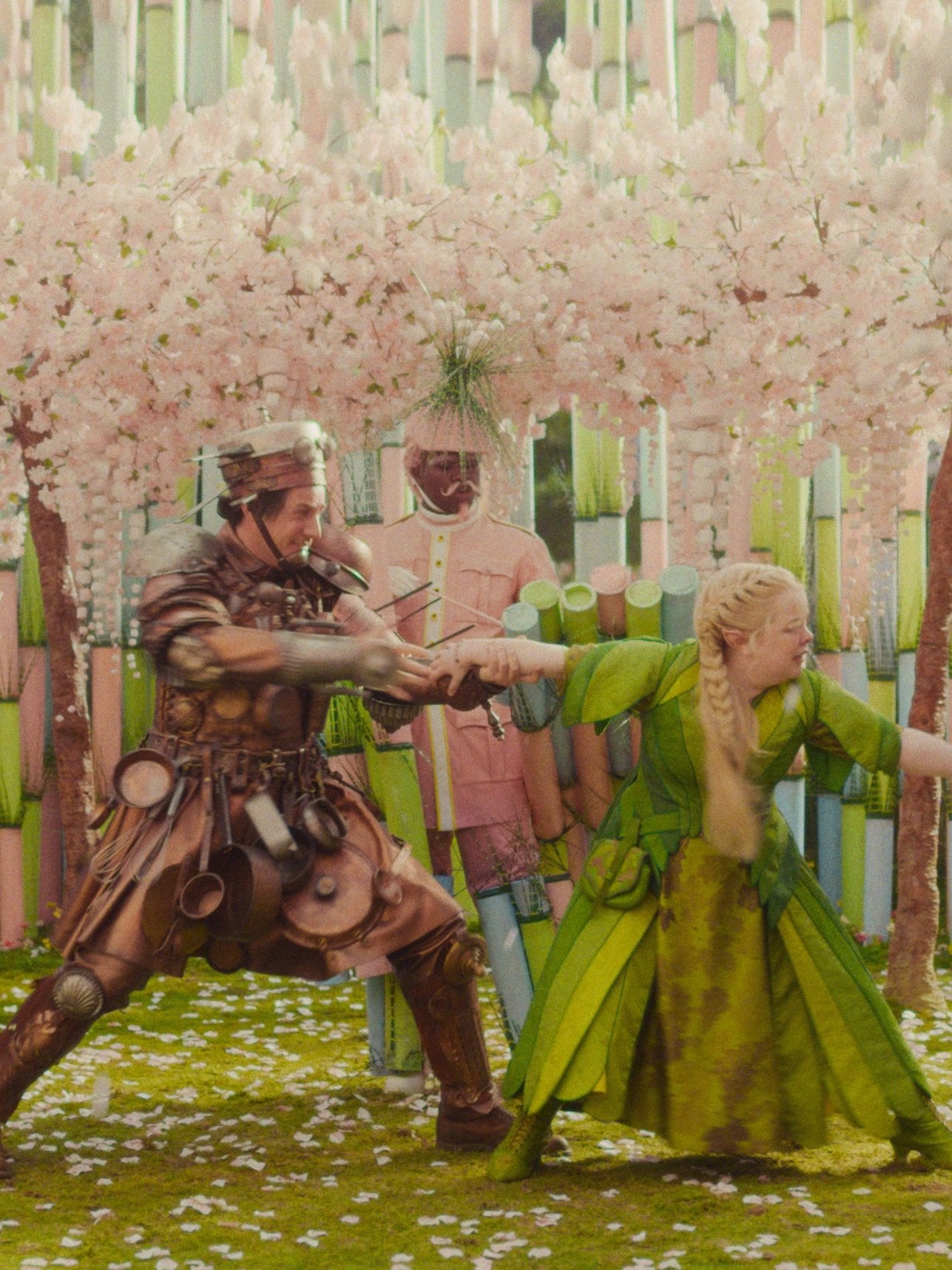
The set of "This Little Piggy."
https://www.instagram.com/audouy/

The set of "This Little Piggy."
https://www.instagram.com/audouy/

The set of "This Little Piggy."
https://www.instagram.com/audouy/
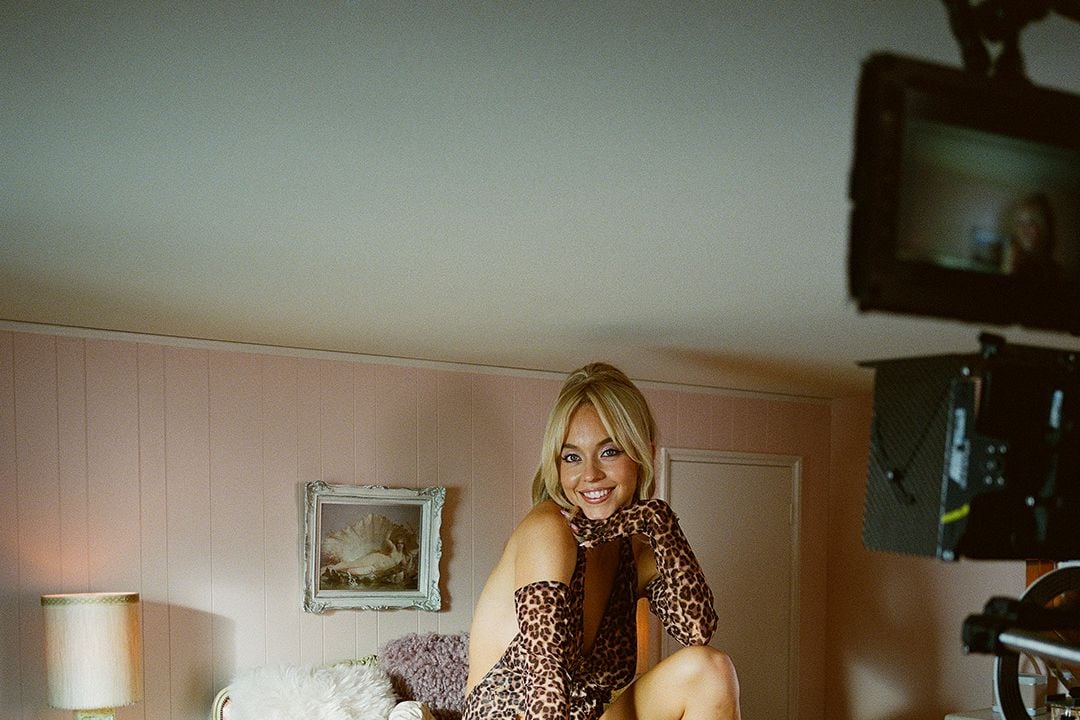

Sydney Sweeney in "Euphoria" season three.
HBO
Inspired by “Godzilla, King of the Monsters,” "Mothra," and “Attack of the Fifty Foot Woman”—both the 1958 original and the 1993 remake—Audouy and his team adopted an old school craft approach to designing the setpieces. In a little over six months, John Merritt Productions built four rolling set pieces, allowing the entire sequence to be shot with one camera at the Warner Bros lot. It was important for Audouy to get the entire build all in one shot, which required feats in production and cinematography alike. “Normally, you would composite those things together into different passes, but we wanted it all in camera,” Audouy says. The production designer avoided green screens in his effort to maintain “a consistency to the imagery throughout [all of] the eight episodes."
Rather than rinse and repeat the previous aesthetic that put the show on the map—think neon lighting and girly, poster-ridden teenage bedrooms—Audouy moved into a more adult terrain. Part-Western, part-Old-Hollywood, the set design of this new season of “Euphoria” shapeshifts according to character. “I'm creating a world that imbues feeling and emotion. So what does that mean? It means that I'm folding in as much backstory, character, and also emotionality into the environment as possible,” Audouy explains.
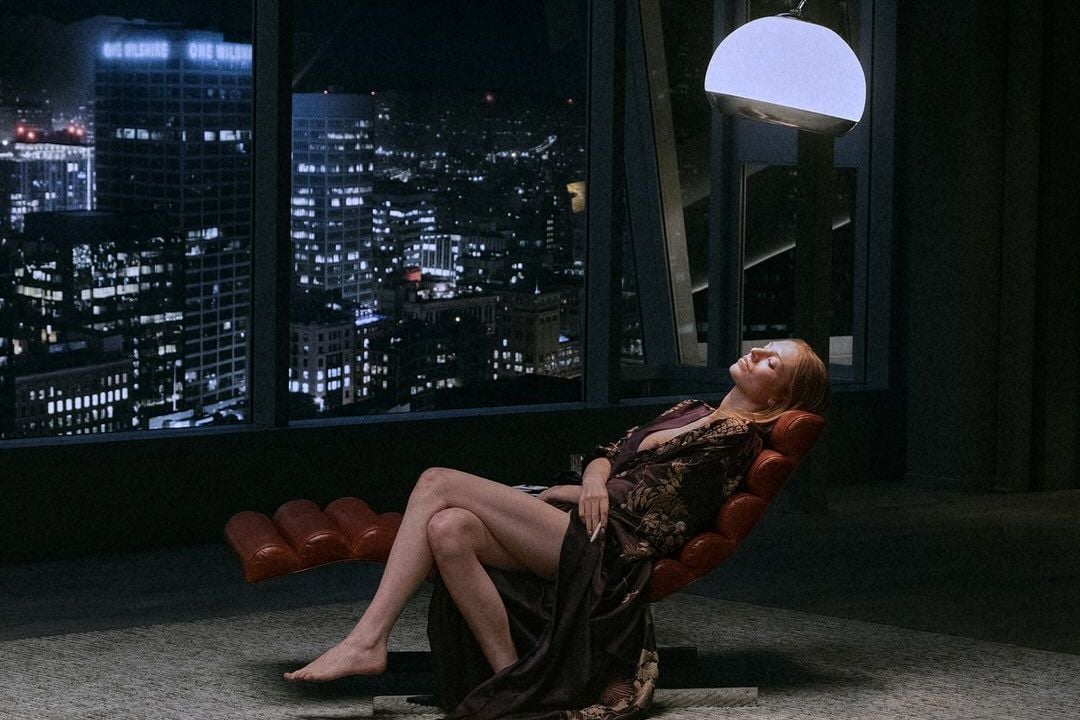

Hunter Schafer in "Euphoria" season three.
HBO
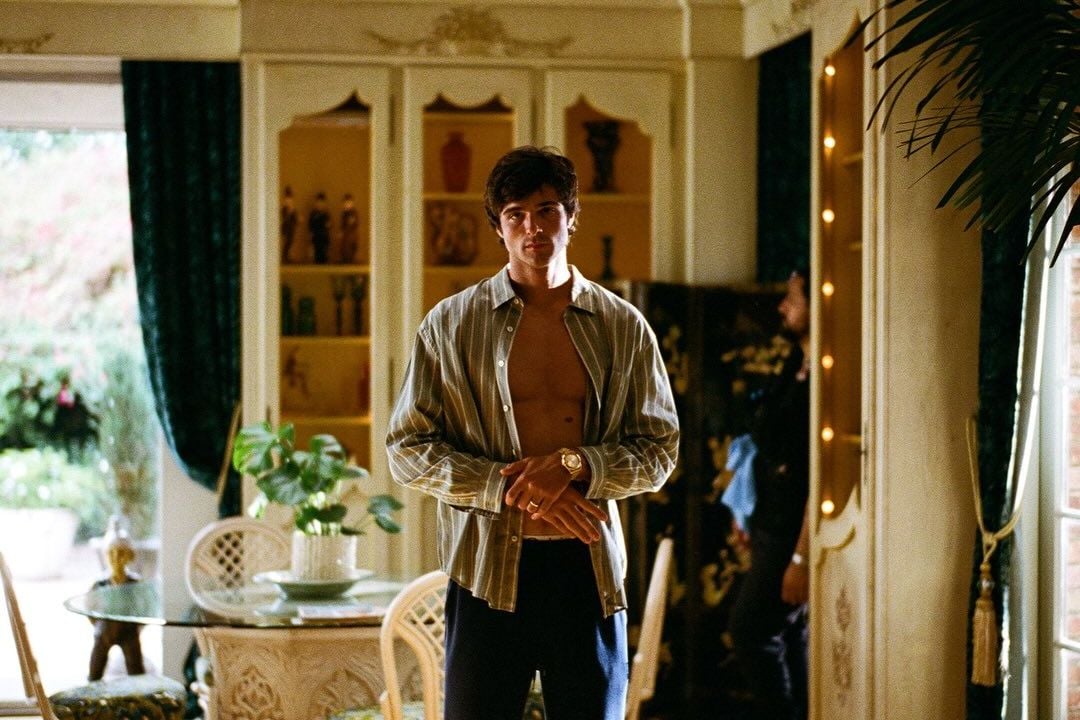

Jacob Elordi in "Euphoria" season three.
HBO
Hunter Schafer in "Euphoria" season three.
HBO
Jacob Elordi in "Euphoria" season three.
HBO
For Maddie Perez (Alexa Demie), an entry-level Hollywood assistant hungry for more power and responsibility, the character’s scrappy ambition is represented through the dozens of shoe boxes populating the floor of her one-bedroom apartment. While never deliberately addressed in the show’s dialogue, Audouy made sure everything in the space had a defensible explanation. “We had this whole backstory worked out where she contacts brands to get free shit. So her desk is covered with letters that she sent to luxury brands to get free shoes and hats and outfits, and then all of that stuff is on racks in the background,” Audouy says. Audouy and set decorator Anthony Carlino wanted to create lived environments that were “completely interactive” for the actors to help get into character. “When [the actors are] in their apartment or house, they can open up all the drawers and go through the closets. I always like to make the kitchens all practical, so you could cook a meal.”
From Lori’s (Martha Kelly) underground drug lab to Jules’ art-ridden metropolitan penthouse—decorated with art painted by Hunter Schafer herself—every setting required a different research deep dive and corresponding presentation for Audouy and his team. “The job is to become an expert in a specific category,” Audouy says. “We'll do a presentation on fentanyl production or drug smuggling across the border, or 3D printed weapons.” The Silver Slipper drew from Western saloons, whereas Alamo’s personal home was modeled after Mike Tyson’s abandoned mansion.
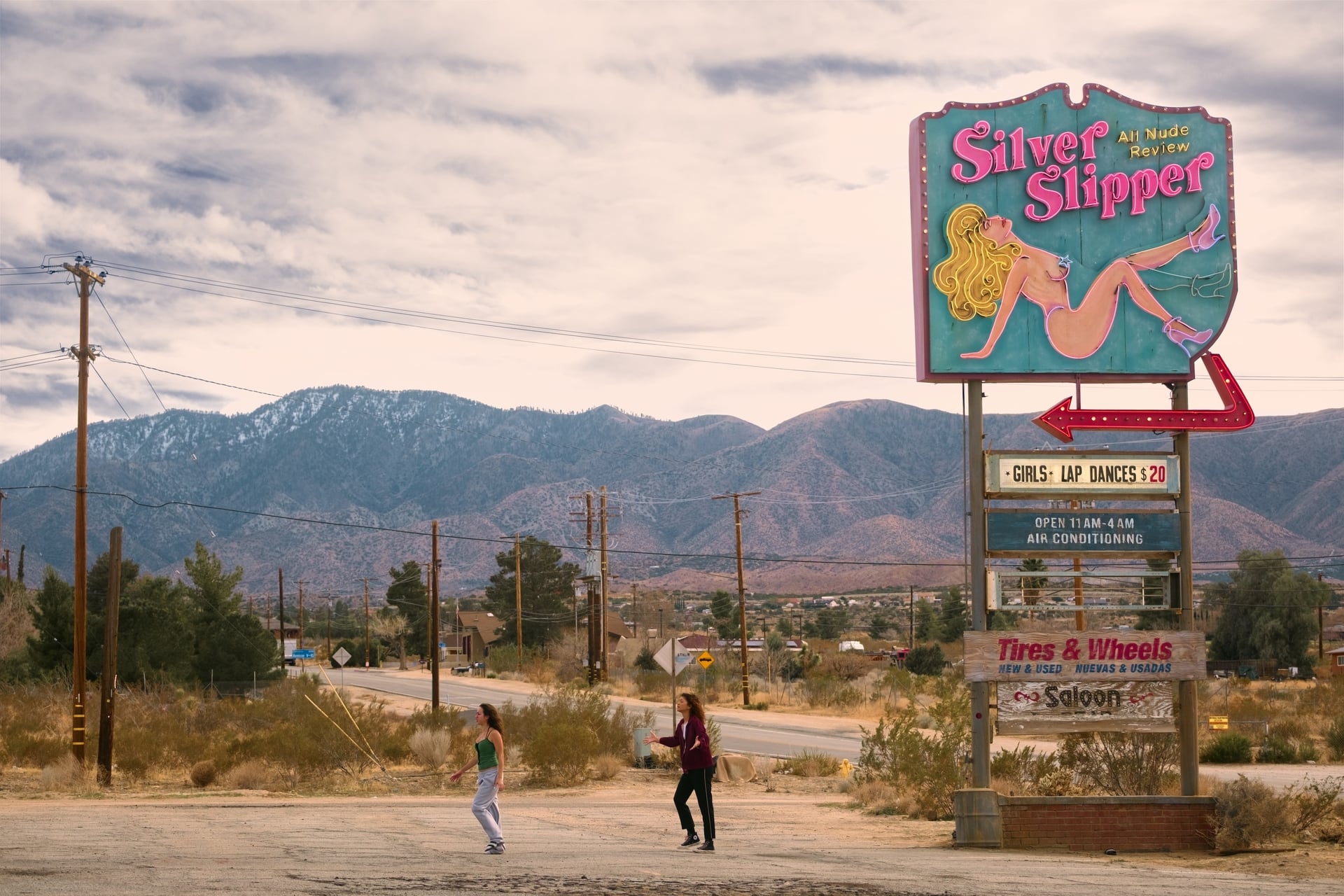

The Silver Slipper strip club in "Euphoria" season three.
HBO
For Cassie and Nate, the assignment was living outside of one’s means. Inspired by Sam and Ginger’s gaudy Las Vegas home in “Casino,” Audouy opted to use a real-life house that had been on the market for four days and sold by its original owner. “I wanted it to be yet another big dream for Nate and Cassie that was just out of reach. So the idea is they had moved into a home that the original owner had lived in, and everything was still original.” Audouy redesigned Cassie’s lovenest to feel like “anything could crumble or fall apart at any moment.” As he says, “you really feel like there's an artifice, but also like their worlds are very wobbly."
Audouy envisioned the mansion as a satire of American excess. “Everyone wants, like, an instant mansion, or an instant castle, or instant wealth and instant fame and instant status,” he says. At the center of Nate’s “Instant Mansion” is Cassie, visibly out of place in the domesticated housewife palace she’s desperately built around herself. If it doesn't make sense why Cassie and Nate are living within a suburban golf course in the Southern California desert, that’s because it is not supposed to. For the “perfect couple” on the brink of collapse, the set’s artificiality is precisely the point.